

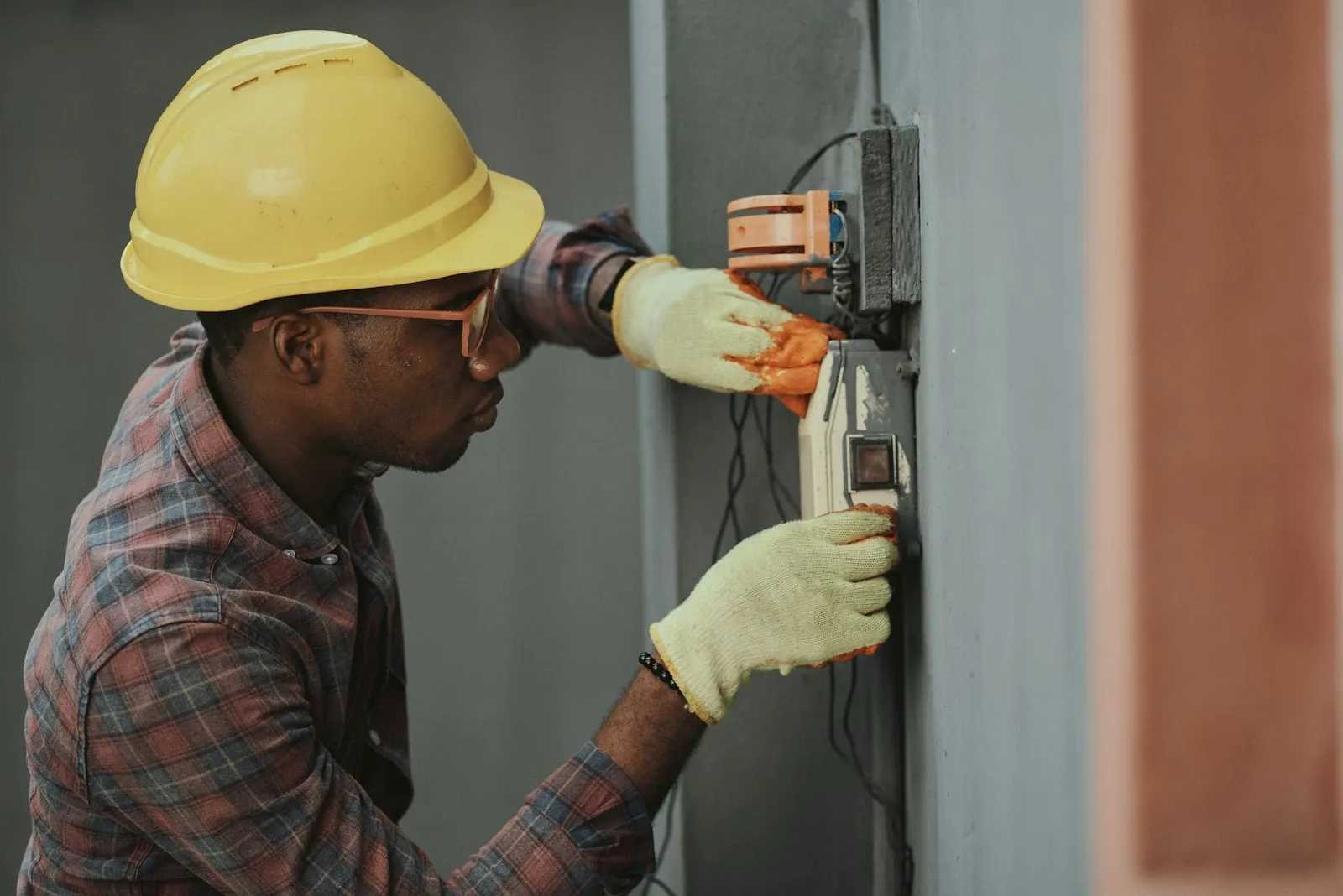
A full rewire is one of the bigger jobs a house can have done, and most people put it off longer than they should. Usually that's down to not being sure whether they need one, or what they're letting themselves in for. This guide clears up both: how to tell when a rewire is worth doing, what the work involves, and what to expect while it's happening.
When a rewire is worth thinking about
Wiring doesn't last forever. Most installations have a working life of around 25 to 30 years, and plenty of homes across Derby are still running on wiring well past that. A few things tend to point towards a rewire:
- Old rubber, fabric or lead-sheathed cabling. If you've spotted wiring like this in the loft or under the floorboards, it predates modern standards and is usually due for replacement.
- A fuse board with old-style rewirable fuses rather than modern circuit breakers. Often a sign the rest of the installation is the same age.
- Not enough sockets, with extension leads doing permanent work they were never designed for.
- Frequent tripping, flickering lights, or a faint burning smell near sockets or the board. These want looking at sooner rather than later.
- You're renovating anyway. If walls and floors are already coming up, it's the cheapest time you'll ever get to rewire.
None of these on their own means you definitely need a rewire. The only way to know for certain is to have the installation inspected, which is what an EICR is for: a proper condition report on your fixed wiring.
What a full rewire actually involves
A rewire replaces the electrical installation throughout the property, and it usually runs in two stages. The first stage, first fix, is the disruptive part: lifting floorboards, chasing cables into walls, and running all the new wiring back to a new consumer unit. The second stage, second fix, is fitting the sockets, switches, light fittings and the board itself, then testing everything.
Once it's all in, the installation is tested circuit by circuit and certified. We work room by room where we can, so you keep power where you need it for as long as possible, and we leave the place tidy at the end of each day rather than living in the mess.
How long it takes
How long it takes depends on the size of the house, access and the state of the existing installation, and we tell you when we quote. Larger or more awkward properties take longer. We'll always give you a realistic timescale up front rather than a hopeful one, so you can plan around it.
Do you need to move out?
Not always, but it's worth being honest with yourself about it. A rewire is dusty, noisy work, and power will be off in parts of the house at times. Plenty of people stay put and work around it. If you've got young children or you work from home, moving out for a few days can make it a lot easier on everyone. We'll talk it through before we start.
The certificate at the end
Every rewire we do is tested and certified. You get the paperwork that proves the installation is safe and meets the current standard, worth having for your own peace of mind, and useful later if you come to sell or let the property.
How we work
JJS is NAPIT registered and TrustMark endorsed, with a team of qualified electricians working across Derby and Derbyshire. Every job comes with a free written quote, and we carry £5m public liability cover. No cut corners, no mess left behind.
If you're not sure whether your home needs a rewire, the sensible first step is a proper inspection. Get in touch for a free written quote.